Get smart pet care tips, industry news,
and the latest updates from Zibbly.
No fluff, just the good stuff.
The Power of a Dog’s Sense of Smell: Why Sniffing Shapes Behavior, Emotions, and Daily Life
The invisible force that guides the canine world
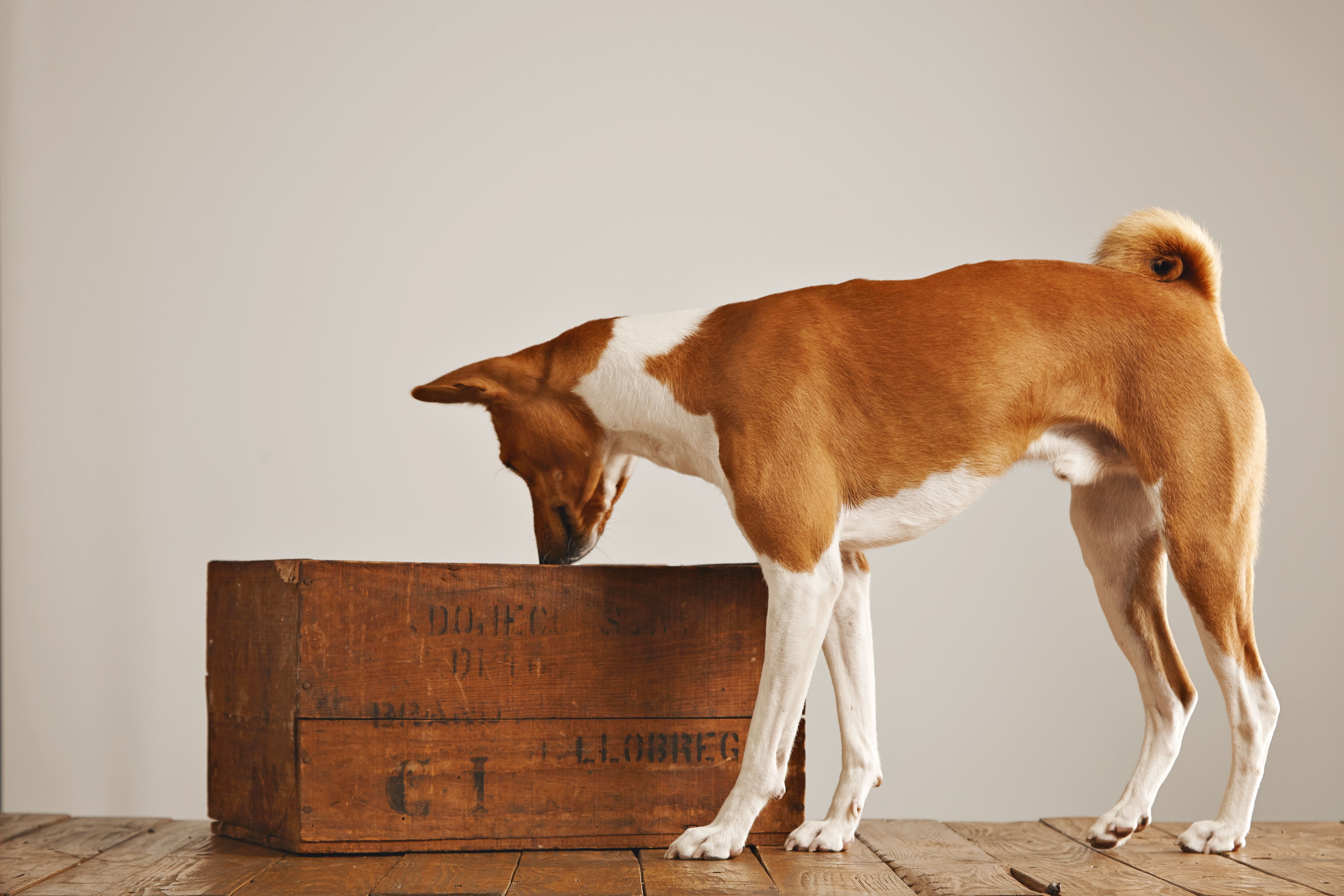
Smell is the most powerful sense dogs have and the main way they interpret the world. While humans rely heavily on vision, dogs depend almost entirely on their nose to understand environments, emotions, and even health states. Every scent carries complex information, almost like a full story written in the air. Understanding this changes the way we relate to our dogs and helps us offer a richer, calmer, and more balanced life.
How a dog’s nose really works
A dog’s sense of smell is extraordinary. They have up to 300 million olfactory receptors, compared to about 6 million in humans. And the part of the brain responsible for interpreting smells is proportionally up to 40 times larger. This means they don’t just identify odors — they separate, analyze, and interpret them in detail.
When your dog spends long minutes sniffing the same spot on the sidewalk, they’re doing something far more complex than it seems. They decode information about other dogs, animals, hormones, food, fear, excitement, health, and even subtle changes in the environment. Their nose works like a highly precise sensory scanner.
Smell and daily behavior
Sniffing isn’t just curiosity — it’s a behavioral need. Dogs who don’t get enough opportunities to smell can become restless, frustrated, hyperactive, or anxious. On the other hand, dogs who get time to explore with their nose tend to be calmer, more confident, and more content. Scent work activates the brain, reduces impulsivity, and promotes emotional well-being.
During walks, giving your dog the freedom to sniff isn’t indulgence — it’s essential for their mental health and balance. Walks that include scent exploration provide more relaxation than long, fast walks without pauses.
How smell regulates emotions and reduces anxiety
Sniffing releases neurotransmitters linked to calm, such as serotonin and dopamine. That’s why dogs who experience stressful situations benefit from olfactory activities. For reactive, insecure, agitated, or traumatized dogs, nose work is especially therapeutic.
Allowing your dog to sniff before more challenging situations can help reduce tension. And after a difficult experience, giving them time to explore scents calmly can help regulate their nervous system.
The role of smell in communication between dogs
Most communication between dogs happens through smell. Urine, feces, secretions, paw sweat, and even a dog’s coat carry clear messages for other dogs. They identify sex, age, health, mood, territory, and social intentions.
This is why dog-to-dog greetings usually begin with sniffing. Olfactory greeting is how they truly get to know each other. Respecting this natural dynamic is essential for safe and healthy interactions.
Smell and the relationship with humans
Dogs can identify human emotions through scent. They detect hormones linked to fear, stress, or joy and adjust their behavior accordingly. A dog may become more alert when they sense elevated cortisol in an anxious guardian, or approach calmly when they detect chemical signs of sadness.
This invisible bond explains why so many dogs become exceptional emotional partners — they literally sense how you feel.
Olfactory activities that enrich daily life
Stimulating the sense of smell doesn’t require expensive tools. Simple activities at home can transform your dog’s routine. Powerful ideas include:
• hiding treats around the house
• using cardboard boxes with different scents
• slow walks with freedom to explore
• food-stuffed toys
• sniffing mats
• backyard treasure hunts
These activities release mental energy, increase confidence, and help regulate emotions.
Why sniff-friendly walks are essential
Walks focused only on “walking fast” don’t meet dogs’ natural needs. They need time to investigate, decode, and interpret scents. Sniffing is just as important as physical exercise.
By letting your dog choose where to sniff, you not only respect their nature, but also strengthen trust. A walk becomes a shared experience, not just an obligation.
The influence of smell on physical health
Dogs can detect diseases like diabetes, impending seizures, tumors, and metabolic changes simply through scent. While this is widely known in trained dogs, household dogs also notice changes in their guardian’s smell or the environment.
Changes in your dog’s own scent can also indicate imbalances: infections, allergies, inflammation, and digestive issues can be noticed through coat, skin, or breath odor. Tracking subtle changes in olfactory behavior can help identify problems earlier.
How Zibbly helps in this process
Zibbly makes it easier to monitor behaviors linked to smell — such as increases in sniffing, changes in exploration patterns, or signs of stress during walks. Logging episodes, photos, and observations helps you understand what influences your dog’s well-being and supports conversations with professionals when needed.
Smell as a tool for connection
When you allow your dog to explore the world with their nose, you honor who they are at their core. It’s a quiet, respectful form of communication. Walking beside your dog while they investigate scents lets you participate in their universe and strengthens a relationship built on understanding, trust, and presence.
Conclusion
Smell isn’t just a sense — it’s the channel through which dogs interpret almost everything around them. Respecting and stimulating it means offering a richer, more balanced, and happier life.
Including olfactory activities in your dog’s routine improves behavior, reduces anxiety, strengthens bonding, and promotes physical and emotional well-being. And with Zibbly’s support, it becomes easier to observe patterns, organize routines, and turn knowledge into practical care.