Get smart pet care tips, industry news,
and the latest updates from Zibbly.
No fluff, just the good stuff.
Transition Between Families or Caregivers: How to Ensure Emotional Stability, Adapt Routines, and Rebuild the Bond With Dogs Who Have Changed Homes
Why changes of home are so delicate for dogs
For a dog, moving to a new house, caregiver, or family is one of the most intense experiences they can go through. Even when the transition is done with love and the best intentions, it represents the loss of everything they once knew: smells, sounds, objects, schedules, people, and even the territory they mapped every day. This sudden shift can create insecurity, anxiety, withdrawal, or hyperalertness as the dog has to relearn how to interpret the environment and understand whether they are safe. Recognizing this vulnerability is the first step toward offering proper emotional support and easing the adaptation process.
How the past influences behavior in the new home
Every dog arrives carrying their own history. Some come from stable homes, others have gone through abandonment, overstimulation, punishment, or lack of routine. This background shapes how they react in the first days: some become overly attached, others avoid contact, and some show vigilant or intense exploratory behavior. Understanding these signs helps adjust expectations and build the ideal welcome. Logging these reactions in Zibbly creates an emotional map that makes early readings clearer during the first days and weeks.
The power of predictability to reduce insecurities
When everything changes at once, offering predictability becomes essential. A structured routine — similar feeding times, walks, rest periods, and interactions — gives back a sense of safety the dog has lost. Even if the long-term routine will be different, minimizing sudden variations in the beginning helps a lot. Predictable routines reduce anxiety, lower reactivity, and help the dog understand the flow of the household. Using Zibbly to organize these schedules makes the process more stable, especially when several people share caregiving duties.
The environment as emotional support
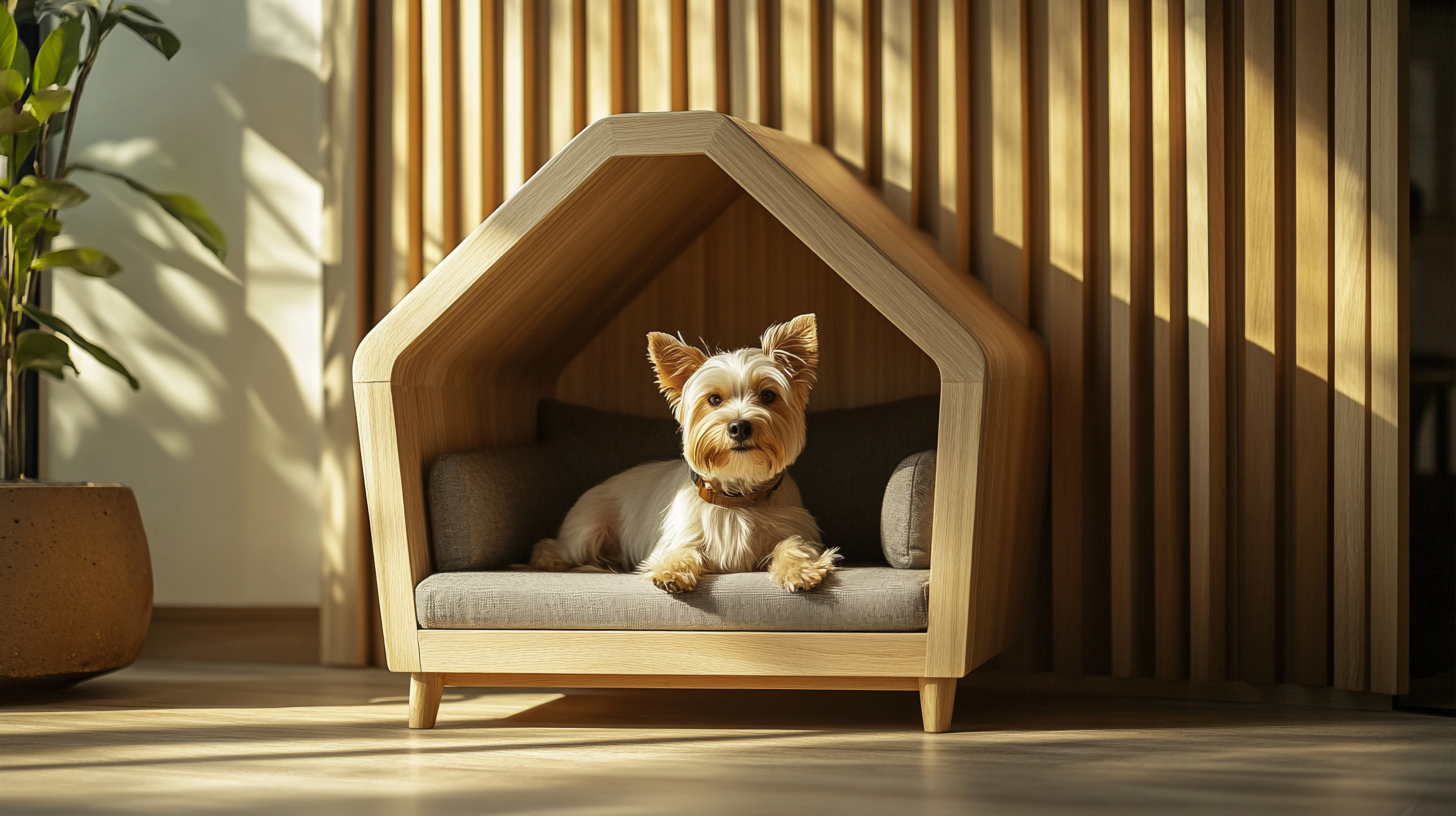
The new environment can feel comforting or overwhelming depending on how it’s introduced. A dog in transition needs a safe space where they can retreat without interruptions. A comfortable bed, easy access to water, soft lighting, and minimal noise already make a difference. Avoiding visits, furniture changes, or excessive stimulation in the first days helps the dog process everything calmly. It’s also important to initially restrict access around the house, gradually opening new rooms as the dog begins to feel secure.
The first signs of adaptation — and what to observe
Dogs in transition communicate a lot through body language. Signs of progress include exploring the space with more confidence, accepting treats calmly, loosening their body, sleeping deeply, and showing more interest in play. Signs of stress include out-of-context yawns, repeated lip-licking, muscle tension, apathy, restlessness, loss of appetite, or excessive vocalization.
These signals shift over time, so constant observation is essential. Logging these details in Zibbly helps identify whether the dog is improving, stuck, or regressing, allowing for precise adjustments in the routine.
The role of scent in creating familiarity
For a dog, scent is identity, memory, and safety. Keeping items that carry the previous home’s smell — a blanket, toy, or t-shirt — can help a lot. Likewise, allowing the dog to explore the new space through smell, without rush, helps build familiarity. This olfactory exploration is one of the most effective factors for accelerating adaptation, as it allows the dog to reinterpret the space and recognize repeating patterns.
Building a bond gradually and respectfully
Bonding doesn’t happen through constant contact but through calm and predictable presence. Forcing interactions can lead to withdrawal or insecurity. The best approach is offering quality moments: sitting near the dog without touching, inviting to play without insisting, offering treats calmly, speaking softly, and keeping movements slow. As the dog realizes you are predictable and safe, they start approaching on their own. The bond grows through trust, not pressure.
How to adapt walks during the transition
The outdoors can be challenging for dogs still adjusting to a new home. They have less territorial reference, higher sensitivity to stimuli, and may show fear of noises, people, or other dogs. The ideal start is short, quiet, predictable routes. Slowly, you can extend the walk as the dog becomes more confident. Logging walk reactions in Zibbly helps identify which environments increase or reduce stress, making route planning much easier.
Releasing tension through mental enrichment
During the transition, a dog's brain works overtime, processing new information constantly. Mental enrichment helps reduce this emotional load. Simple activities like sniffing, searching for treats, chewing safe toys, or exploring new objects help regulate emotions and release tension. Short enrichment moments are far more effective than long training sessions or high-energy play during the initial period.
When behavioral regression is normal
In the first days or weeks, it’s common for the dog to show behaviors like peeing in the wrong places, barking more, following the caregiver everywhere, or reacting fearfully to simple stimuli. This regression is a natural part of adaptation. The key is not punishing but gently redirecting. With a stable routine, predictability, and reduced stimulation, these behaviors tend to fade gradually.
How to know when the dog needs extra support
Some dogs transition smoothly, while others show more intense stress signs such as defensive aggression, deep apathy, prolonged refusal to eat, constant destruction, or persistent physical symptoms. In these cases, professional support is essential. Organized logs in Zibbly make diagnostics more accurate since professionals can see the real evolution of the behavior.
The transition journey as a connection opportunity
Changing homes can be challenging, but it’s also a powerful opportunity to build a relationship based on respect, care, and safety. With sensitive observation, balanced routines, emotional enrichment, and the support of tools like Zibbly, the transition stops feeling chaotic and becomes a phase of deep welcoming.
In the end, it’s not only the dog who adapts to the new home — it’s the bond between you that is created, grows, and becomes stronger day by day.