Get smart pet care tips, industry news,
and the latest updates from Zibbly.
No fluff, just the good stuff.
Traveling with Your Dog: How to Keep Them Safe and Comfortable in Any Climate
Why Traveling with Your Dog Requires Special Preparation
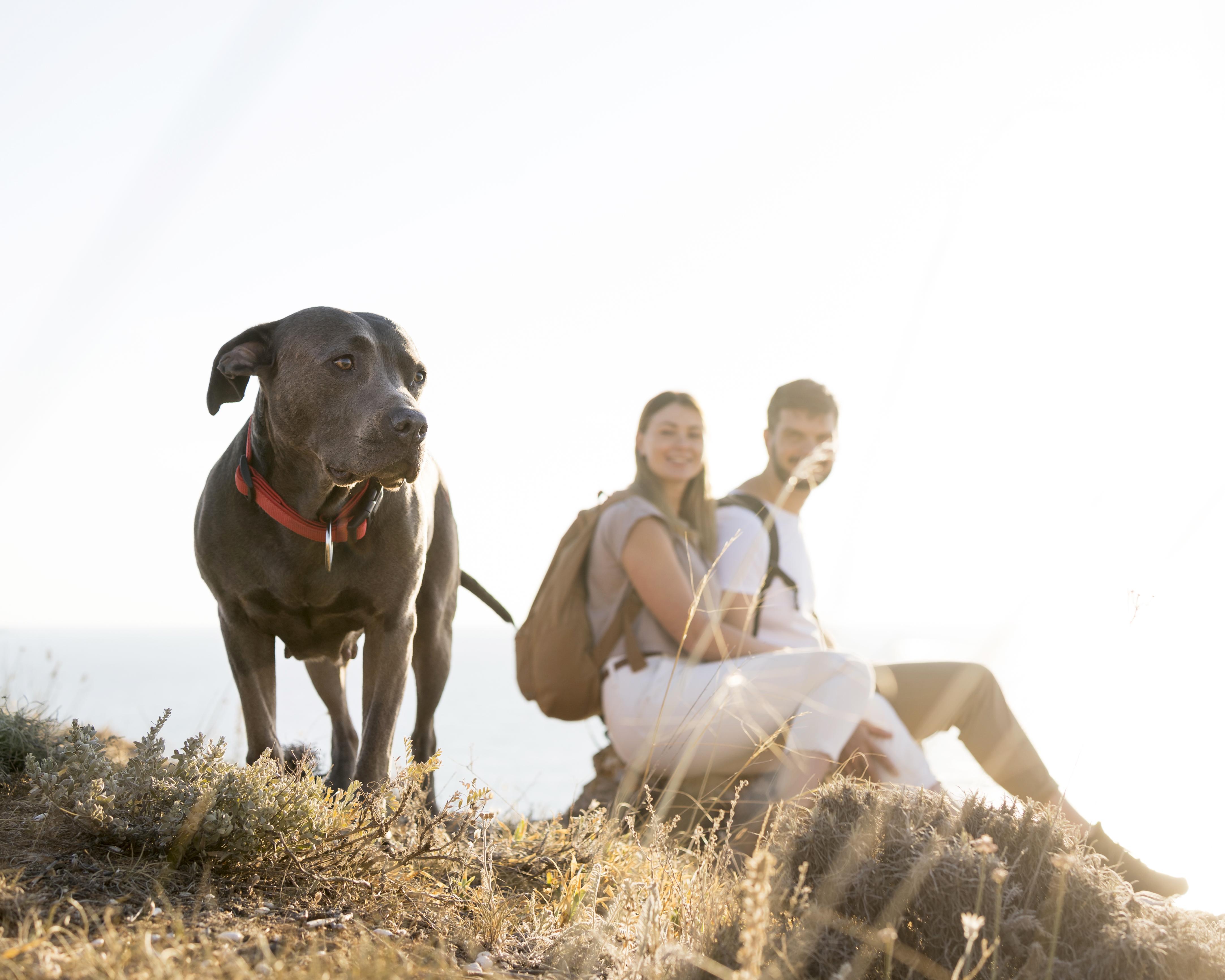
Traveling with your dog is an amazing experience, but it takes extra care. New environments bring different routines, fresh stimuli, and weather conditions that directly impact your dog’s comfort, energy, and behavior. Whether you're heading to the beach, the countryside, or a colder city, each destination requires specific planning to keep your dog safe and happy.
When pet parents understand how temperature, wind, humidity, and terrain affect their dog, it becomes much easier to plan safe walks, pick the right gear, and build thoughtful routines. With help from Zibbly, you can track daily observations during the trip and adjust plans in real time, staying organized and consistent even away from home.
How Climate Affects Your Dog's Behavior While Traveling
Dogs are far more sensitive to climate shifts than humans. Hot weather can lead to fast exhaustion, irritability, and sensitivity to noise. Cold weather may lower energy, cause trembling, and increase your dog’s need to hide for warmth.
New environments also bring totally new sensory input. Strange smells, unfamiliar sounds, and different surfaces can make your dog feel either curious or uneasy. Watching and logging these behaviors helps you recognize patterns and adapt your trip so it’s enjoyable for everyone.
Traveling to Warm Destinations: Key Considerations
Hot places like the beach or tropical areas call for hydration, paw protection, and a watchful eye for signs of overheating. Asphalt can get dangerously hot, humidity can make breathing harder, and strong sun increases thermal stress.
Try scheduling walks for early mornings or late afternoons. Stick to natural surfaces like grass or wet sand to protect paws. Avoid intense play sessions, and choose routes with shade and places to rest.
Use Zibbly to log signs like heavy panting, frequent stops, lack of interest in walking, or rising irritability. This helps adjust your travel rhythm and prevent health issues before they escalate.
Cold or Mountainous Destinations: How to Adapt
Trips to colder regions or uneven terrain require a different approach. Low temperatures can affect mobility, stiffen muscles, and increase joint discomfort—especially for small dogs or seniors.
Warm clothing, paw protectors, and extra time to warm up before walks are great allies. Start with shorter walks and slowly build up as your dog shows confidence. On snow, ice, or rocky ground, go slow and skip the running.
With Zibbly, you can track each outing and pinpoint the times when your dog feels most comfortable, while also monitoring signs of low energy or discomfort after cold exposure.
Rain, Wind, and High Humidity: Making Outings Safer
Not every trip has perfect weather. Rainy days bring slippery surfaces, strong smells carried by the wind, and amplified sounds—all of which can lead to fear, hesitation, or reactivity.
Raincoats, a comfy harness, and shorter walks go a long way. Avoid high-traffic areas where puddles and loud vehicles could raise stress levels.
Track any odd behaviors in Zibbly, like shaking, refusal to walk, darting eyes, or attempts to hide. These help you adjust timing and location for walks, even during short getaways.
Choosing Safe Routes in Unfamiliar Cities
Exploring new places is exciting, but your dog doesn’t know the territory yet. This makes it extra important to choose calm, predictable walking routes.
When arriving in a new city:
- Observe street traffic at different times
- Look for green areas, shade, and safe sidewalks
- Avoid loud roads with lots of motorcycles or busy shops
- Start walks in quiet residential neighborhoods
Note in Zibbly which routes felt peaceful and which caused tension—it helps you build a mental map of the new environment and plan smoother outings for the next days.
Packing Your Dog's Travel Bag
What you pack depends on the destination’s climate. Here are some essentials:
For warm destinations:
- Portable water bottle
- Paw balm or paw protector
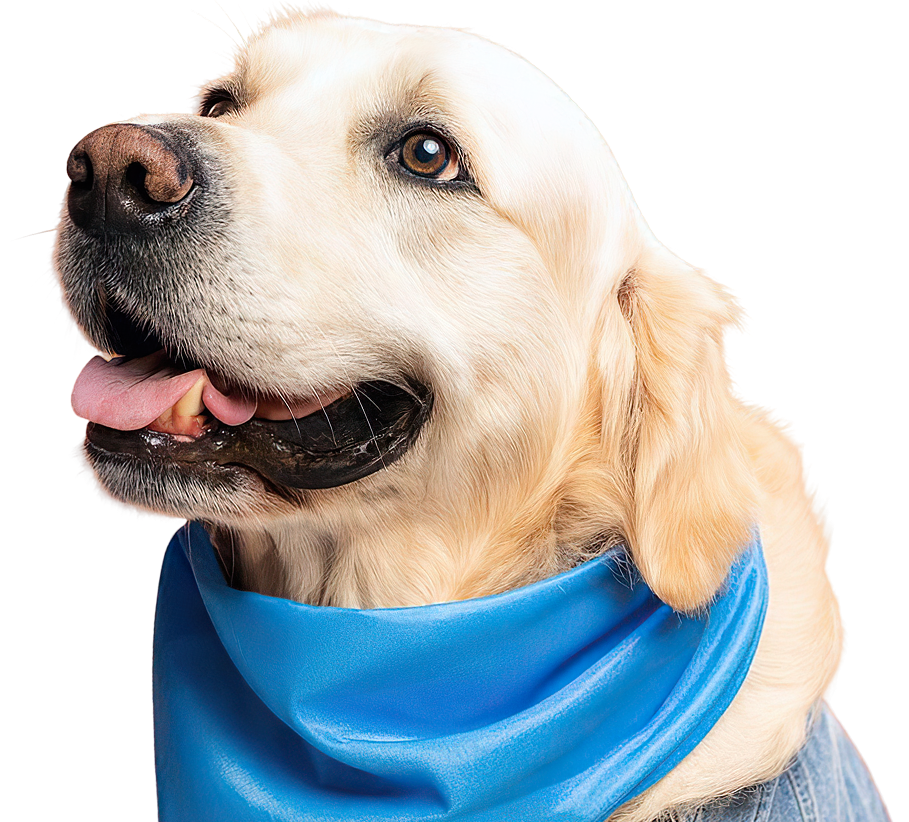
- Cooling towel or bandana
- Lightweight mat for rest stops
For cold destinations:
- Warm dog clothes
- Booties for paw protection
- Small blanket
- High-calorie treats for energy
For unstable weather:
- Raincoat
- Comfy, secure harness
- Dry towel for post-walk cleanup
These items keep your dog comfortable and safe, so they can enjoy the trip without stress.
Maintaining a Routine While Traveling
Even in new environments, dogs feel more secure when parts of their routine stay consistent. Regular feeding times, scheduled rest, familiar walking patterns, and calm moments help reduce anxiety.
Zibbly makes this process easier by letting you log meal times, activities, and behavior in real time. That way, even on the go, you can stay organized and reduce overstimulation or unpredictability.
Why It’s Important to Watch for Subtle Signs
Every type of climate brings out different reactions. Changes in walking pace, sniffing more than usual, fast breathing, lowered ears, or nervous glances are all clues that something in the environment is affecting your dog.
By observing and recording these little signals, you learn what works best and what to avoid. That insight is valuable not just for the trip, but when you return home—helping you tweak routines based on what kept your dog happiest.
Traveling with Your Dog Can Be Easy, Safe, and Meaningful
With the right prep, smart routes, proper gear, and close observation, traveling with your dog becomes a meaningful experience full of connection and joy.
Zibbly helps you bring organization and real-time awareness to the adventure—turning every trip into an opportunity to learn and bond. Whether it’s a weekend away or a long vacation, your dog will thank you for making the journey as comfortable and thoughtful as possible.